Causes and Prevention of Friction Blisters
 Friction blisters of the feet are painful lesions caused by repetitive rubbing against the skin. These blisters typically occur on areas of the feet that experience frequent pressure or friction, such as the heels or toes. They appear as fluid-filled sacs beneath the top layer of skin and may cause discomfort when participating in daily activities, such as walking or even wearing shoes. Proper footwear, cushioning, and moisture control are essential for preventing friction blisters. If a friction blister develops, it's important to cover it with a bandage or blister pad, rather than popping it, to minimize the risk of infection. Establishing a hygiene routine for your feet is advised to decrease the likelihood of friction blisters. Additionally, wearing moisture-wicking socks can help maintain a dry environment in your shoes. If you notice signs of a friction blister developing on the foot, it is suggested to discuss personalized care and treatment options with a podiatrist to alleviate discomfort and prevent future blisters.
Blisters may appear as a single bubble or in a cluster. They can cause a lot of pain and may be filled with pus, blood, or watery serum. If your feet are hurting, contact Dr. Steven Shlonsky of Louisville, Kentucky. Dr. Shlonsky can provide the care you need to keep you pain-free and on your feet.
Foot Blisters
Foot blisters are often the result of friction. This happens due to the constant rubbing from shoes, which can lead to pain.
What Are Foot Blisters?
A foot blister is a small fluid-filled pocket that forms on the upper-most layer of the skin. Blisters are filled with clear fluid and can lead to blood drainage or pus if the area becomes infected.
Symptoms
(Blister symptoms may vary depending on what is causing them)
- Bubble of skin filled with fluid
- Redness
- Moderate to severe pain
- Itching
Prevention & Treatment
In order to prevent blisters, you should be sure to wear comfortable shoes with socks that cushion your feet and absorb sweat. Breaking a blister open may increase your chances of developing an infection. However, if your blister breaks, you should wash the area with soap and water immediately and then apply a bandage to the affected area. If your blisters cause severe pain it is important that you call your podiatrist right away.
If you have any questions, please feel free to contact our office located in Louisville, KY . We offer the newest diagnostic and treatment technologies for all your foot care needs.
The Importance of Diabetic Foot Care
 For people with diabetes, proper foot care is critical due to the risk of neuropathy and poor circulation, which can lead to severe complications. High blood sugar levels over time can damage nerves and reduce blood flow, causing numbness and decreased healing ability. This makes the feet more susceptible to injuries, infections, and ulcers, which can develop unnoticed and worsen quickly. To maintain foot health, individuals with diabetes should inspect their feet daily for cuts, blisters, redness, or swelling. Keeping feet clean and dry, moisturizing to prevent cracks, and trimming nails carefully are essential steps. Wearing properly fitted shoes and socks that reduce pressure and friction can prevent sores. Regular foot exercises and avoiding smoking may help to improve circulation. Failure to care for diabetic feet can lead to severe infections, gangrene, and even amputations. If you have diabetes, it is strongly suggested that you are under the care of a podiatrist for regular check-ups and specialized treatment plans.
Diabetic foot care is important in preventing foot ailments such as ulcers. If you are suffering from diabetes or have any other concerns about your feet, contact Dr. Steven Shlonsky from Louisville, Kentucky. Dr. Shlonsky can provide the care you need to keep you pain-free and on your feet.
Diabetic Foot Care
Diabetes affects millions of people every year. The condition can damage blood vessels in many parts of the body, especially the feet. Because of this, taking care of your feet is essential if you have diabetes, and having a podiatrist help monitor your foot health is highly recommended.
The Importance of Caring for Your Feet
- Routinely inspect your feet for bruises or sores.
- Wear socks that fit your feet comfortably.
- Wear comfortable shoes that provide adequate support.
Patients with diabetes should have their doctor monitor their blood levels, as blood sugar levels play such a huge role in diabetic care. Monitoring these levels on a regular basis is highly advised.
It is always best to inform your healthcare professional of any concerns you may have regarding your feet, especially for diabetic patients. Early treatment and routine foot examinations are keys to maintaining proper health, especially because severe complications can arise if proper treatment is not applied.
If you have any questions please feel free to contact our office located in Louisville, KY . We offer the newest diagnostic and treatment technologies for all your foot and ankle needs.
Various Foot Fractures and Relief Strategies
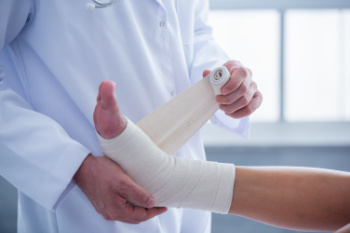
Foot fractures encompass a spectrum of injuries, each demanding specific attention and care. Among them, the Jones fracture affects the fifth metatarsal bone, typically requiring immobilization through casting or surgery to ensure proper healing. Metatarsal shaft fractures, occurring along the long bones of the foot, often necessitate rest, elevation, and the use of crutches to alleviate pressure. Proximal fifth metatarsal tuberosity avulsion fractures involve the pulling away of a small bone fragment due to sudden muscle contractions, often managed with immobilization and gradual return to weight-bearing activities. Additionally, big toe fractures, whether simple or complex, may require splinting, taping, or buddy taping to adjacent toes to promote stability. Relief techniques for foot fractures commonly involve rest and elevation to mitigate swelling and pain. Immobilization aids like casts, braces, or boots help stabilize the injured area, facilitating proper healing. If you have broken your foot, it is strongly suggested that you consult a podiatrist who can determine what type of fracture you have, and offer appropriate treatment methods.
A broken foot requires immediate medical attention and treatment. If you need your feet checked, contact Dr. Steven Shlonsky from Louisville, Kentucky. Dr. Shlonsky can provide the care you need to keep you pain-free and on your feet.
Broken Foot Causes, Symptoms, and Treatment
A broken foot is caused by one of the bones in the foot typically breaking when bended, crushed, or stretched beyond its natural capabilities. Usually the location of the fracture indicates how the break occurred, whether it was through an object, fall, or any other type of injury.
Common Symptoms of Broken Feet:
- Bruising
- Pain
- Redness
- Swelling
- Blue in color
- Numbness
- Cold
- Misshapen
- Cuts
- Deformities
Those that suspect they have a broken foot shoot seek urgent medical attention where a medical professional could diagnose the severity.
Treatment for broken bones varies depending on the cause, severity and location. Some will require the use of splints, casts or crutches while others could even involve surgery to repair the broken bones. Personal care includes the use of ice and keeping the foot stabilized and elevated.
If you have any questions please feel free to contact our office located in Louisville, KY . We offer the newest diagnostic and treatment technologies for all your foot and ankle needs.
Are You Suffering From Ingrown Toenails?

If left untreated, an ingrown toenail can lead to more serious concerns, such as an infection. Knowing proper nail care can help in the prevention of an ingrown toenail. Give us a call, and get treated!
Pain on Top of Your Foot

Feeling a sharp pain on the top of your foot during each step can be disconcerting, especially for runners. Unlike more recognizable running injuries, such as plantar fasciitis or shin splints, top-of-foot pain poses a unique challenge for diagnosis. Types of pain on the top of the foot among runners include tendonitis, metatarsal stress fractures, or neuromas. Tendonitis may cause pain near the instep and big toe, and is often accompanied by shin splints. Metatarsal stress fractures, often triggered by sudden increases in training intensity, result in swelling and discomfort over the metatarsal bones. The second and third metatarsals of the foot, which are thinner, and often longer than the first metatarsal, are most prone to stress fractures. This is the area of greatest impact on your foot when you push off to run. Wearing tight footwear can lead to issues like vamp disease or neuromas, resulting in pain or burning sensations that may be relieved by adjusting shoe fit. Regardless of the suspected injury, if the pain persists despite rest, it is suggested that runners consult a podiatrist promptly for an accurate diagnosis and suggested treatment options.
Exercising your feet regularly with the proper foot wear is a great way to prevent injuries. If you have any concerns about your feet, contact Dr. Steven Shlonsky of Louisville, Kentucky. Dr. Shlonsky will treat your foot and ankle needs.
How to Prevent Running Injuries
Many common running injuries are caused by overuse and overtraining. When the back of the kneecap starts wearing out and starts causing pain in your knee, this is commonly referred to as runner’s knee. Runner’s knee is a decrease in strength in your quadriceps and can occur if you’re not wearing properly fitted or supporting shoes. To prevent runner’s knee, focusing on hip strengthening is a good idea, as well as strengthening your quads to keep the kneecaps aligned.
What Are Some Causes of Running Injuries?
- One cause of a common running injury is called iliotibial band syndrome.
- Plantar fasciitis is also another common injury.
- Stress fractures can occur from overtraining, lack of calcium, or even your running style.
Best Ways to Prevent Running Injuries
- Wear footwear that fits properly and suits your running needs.
- Running shoes are the only protective gear that runners have to safeguard them from injury.
- Make a training schedule. Adding strengthening exercises as well as regular stretching can help keep you strong and limber and can lessen the possibility of injuries.
- Stretching keeps muscles limber; this will help you gain better flexibility.
If you have any questions please feel free to contact our office located in Louisville, KY . We offer the newest diagnostic and treatment technologies for all your foot and ankle needs.
 Connect with us