149 Thierman Ln
Louisville, KY 40207
(502) 897-6343 We make house calls
Like Us
Follow Us
Review Us

Blog

Healthy Feet Through Every Stage of Aging

Keeping your feet healthy as you age can make them more comfortable and help you stay active. Aging can change the skin, muscles, and circulation. These changes may increase the chance of common foot problems. Wearing supportive shoes and having good hygiene helps protect foot health. Paying attention to changes in pain, swelling, or walking comfort is important. Early attention to foot problems can make them easier to manage.

Bunions and hammertoes are common concerns. A bunion is a bony bump that forms at the base of the big toe as the top of the toe moves toward the others. Hammertoe is a deformity that causes one or more smaller toes to bend downward at a joint instead of lying flat. Risk factors include age, family history, and wearing shoes that cause pressure on the toes. Arthritis can contribute to stiffness and deformity. Symptoms may include aching, redness, or difficulty wearing shoes.

Healthy habits can lower the chance of worsening foot problems. Wash and dry your feet each day between the toes. Moisturize dry skin, but avoid lotion between the toes. Choose shoes with enough room for your toes and a stable sole. Additionally, trim toenails and inspect your feet daily for blisters, cuts, or pressure spots. If pain develops, avoid pushing through it. A podiatrist can examine your feet, assess your walking pattern, and identify problems needing treatment.

Treatment depends on the cause and severity of the problem. A podiatrist may recommend footwear changes, padding, or medication. For bunions or hammertoes that remain painful, surgery may be considered when other options fail. Regular follow-up can help track changes and protect mobility. If you are aging and noticing foot pain or new deformities, it is suggested that you consult a podiatrist for effective relief, treatment, and management solutions.

Proper foot care is something many older adults forget to consider. If you have any concerns about your feet and ankles, contact Dr. Steven Shlonsky from Louisville, Kentucky. Dr. Shlonsky can provide the care you need to keep you pain-free and on your feet.

The Elderly and Their Feet

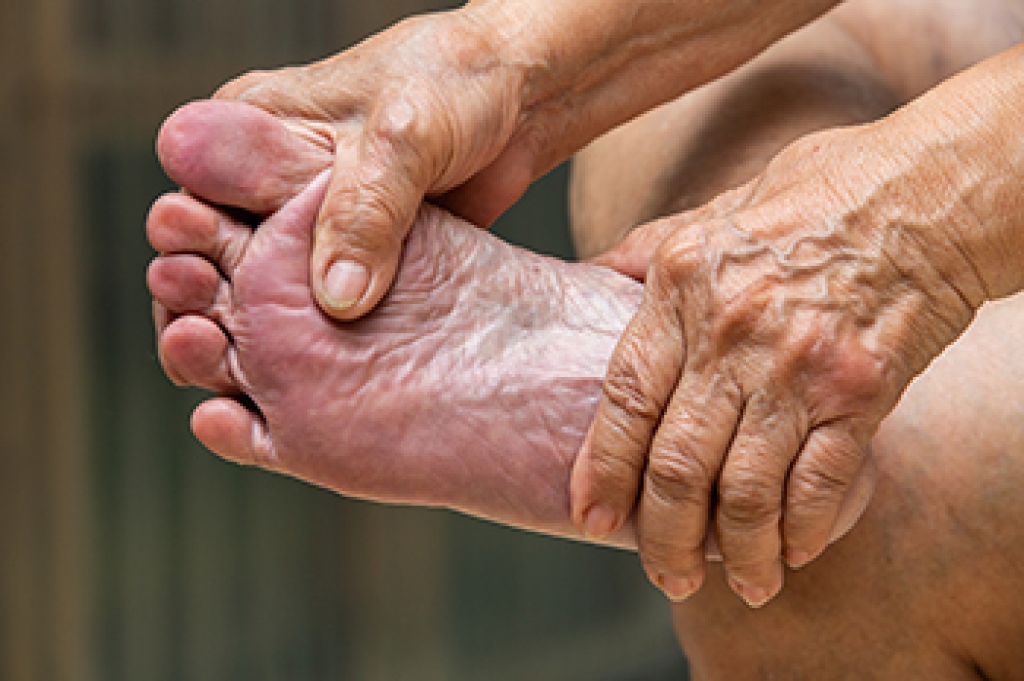
As we age we start to notice many changes in our body, but the elder population may not notice them right away. Medical conditions may prevent the elderly to take notice of their foot health right away. Poor vision is a lead contributor to not taking action for the elderly.

Common Conditions 

  • Neuropathy – can reduce feeling in the feet and can hide many life-threatening medical conditions.
  • Reduced flexibility – prevents the ability of proper toenail trimming, and foot cleaning. If left untreated, it may lead to further medical issues.
  • Foot sores – amongst the older population can be serious before they are discovered. Some of the problematic conditions they may face are:
  • Gouging toenails affecting nearby toe
  • Shoes that don’t fit properly
  • Pressure sores
  • Loss of circulation in legs & feet
  • Edema & swelling of feet and ankles

Susceptible Infections

Diabetes and poor circulation can cause general loss of sensitivity over the years, turning a simple cut into a serious issue.

If you have any questions, please feel free to contact our office located in Louisville, KY . We offer the newest diagnostic and treatment technologies for all your foot care needs.

Read more about Taking Care of Elderly Feet

Ingrown Toenail Facts

An ingrown toenail happens when the edge or corner of a toenail grows into the nearby skin instead of growing forward normally. The big toe is affected most often, although any toenail can become ingrown. At first, the problem may seem minor, especially if discomfort only occurs while wearing shoes. Without proper care, however, an ingrown toenail can become increasingly painful and may lead to an infection. Understanding the early warning signs can help you seek treatment before the problem becomes more difficult to manage.

One of the most common symptoms is pain or tenderness along the side of the affected toe. Pressure from wearing shoes or walking may make the discomfort worse. The skin surrounding the nail can become red, swollen, and sensitive to touch. Some people notice clear fluid, while others may see pus when an infection is present. The toe may also feel warm. These changes are important signs that the nail and surrounding skin need attention.

Several factors can increase the risk of an ingrown toenail. Cutting toenails too short or rounding the corners can encourage the nail to grow into the skin. Wearing tight shoes can also place repeated pressure against the toes. Toe injuries, naturally curved nails, and repeated pressure from activities can contribute as well. People who have difficulty caring for their feet should be especially careful because a small nail problem can sometimes progress quickly. Keeping toenails trimmed straight across and wearing properly fitted shoes can help reduce risk.

A podiatrist will examine the affected toe and look for inflammation, infection, or other problems affecting the nail. When needed, the podiatrist may gently lift or separate the nail edge from the skin. More painful or recurring cases may require partial nail removal to prevent the problem from returning. If you have developed an ingrown toenail, it is suggested that you promptly consult a podiatrist for effective relief tips, which may include minor surgery. 

Ingrown toenails can become painful if they are not treated properly. For more information about ingrown toenails, contact Dr. Steven Shlonsky of Louisville, Kentucky. Dr. Shlonsky can provide the care you need to keep you pain-free and on your feet.

Ingrown Toenails

Ingrown toenails occur when a toenail grows sideways into the bed of the nail, causing pain, swelling, and possibly infection.

Causes

  • Bacterial infections
  • Improper nail cutting such as cutting it too short or not straight across
  • Trauma to the toe, such as stubbing, which causes the nail to grow back irregularly
  • Ill-fitting shoes that bunch the toes too close together
  • Genetic predisposition

Prevention

Wearing proper fitting shoes and using proper cutting techniques will also help decrease your risk of developing ingrown toenails.

Treatment

Ingrown toenails are a very treatable foot condition. In minor cases, soaking the affected area in salt or antibacterial soaps will not only help with the ingrown nail itself, but also help prevent any infections from occurring. In more severe cases, surgery is an option. In either case, speaking to your podiatrist about this condition will help you get a better understanding of specific treatment options that are right for you.

If you have any questions, please feel free to contact our office located in Louisville, KY . We offer the newest diagnostic and treatment technologies for all your foot care needs.

Read more about Ingrown Toenails

Choosing the Best Shoes for Heel Pain

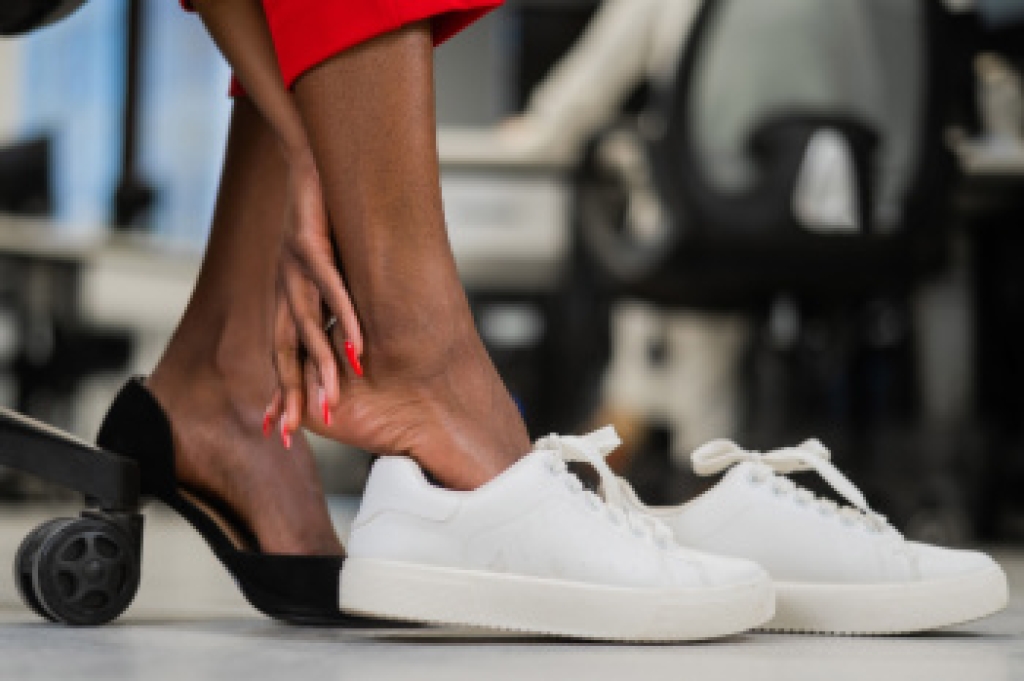
Heel pain can turn the first steps of the morning or a short walk into an uncomfortable task. Several problems can cause it. Plantar fasciitis involves irritation of the strong band of tissue that runs along the sole and supports the arch. Pain can also come from an irritated Achilles tendon or the cushioning beneath the heel. Running, prolonged standing, and a sudden increase in activity can place extra stress on this area. Foot shape can also affect how pressure reaches the heel.

Shoes play an important role in improving heel comfort, but the right design depends on the cause of the pain. Shoes wear down with use, and replacing an old pair can sometimes reduce symptoms. A firm heel counter, proper arch support, and a stable sole can control unwanted movement. Runners may benefit from cushioning. However, too much padding can allow greater movement and make certain problems worse. Shoes should hold the foot securely. They should bend near the ball of the foot rather than through the middle. People with flat feet or an unusual walking pattern need guidance because a high arch may increase pressure. A podiatrist can examine the feet and shoes to recommend a suitable design.

A podiatrist locates the painful area and checks how the foot moves. The examination can identify poor alignment, limited ankle motion, or an injury requiring imaging tests. Treatment includes shoe recommendations, custom orthotics, or supportive padding. An orthotic is a device placed inside a shoe to improve support and distribute pressure evenly. A podiatrist can also advise patients about safe activity changes and determine when care is appropriate. Prompt evaluation matters when pain is severe, follows an injury, or occurs with swelling. Lasting discomfort should be assessed before it changes the way a person walks and creates strain elsewhere. If you have heel pain after running, it is suggested that you schedule an appointment with a podiatrist for a diagnosis and appropriate treatment.

Many people suffer from bouts of heel pain. For more information, contact Dr. Steven Shlonsky of Louisville, Kentucky. Dr. Shlonsky can provide the care you need to keep you pain-free and on your feet.

Causes of Heel Pain

Heel pain is often associated with plantar fasciitis. The plantar fascia is a band of tissues that extends along the bottom of the foot. A rip or tear in this ligament can cause inflammation of the tissue.

Achilles tendonitis is another cause of heel pain. Inflammation of the Achilles tendon will cause pain from fractures and muscle tearing. Lack of flexibility is also another symptom.

Heel spurs are another cause of pain. When the tissues of the plantar fascia undergo a great deal of stress, it can lead to ligament separation from the heel bone, causing heel spurs.

Why Might Heel Pain Occur?

  • Wearing ill-fitting shoes                
  • Wearing non-supportive shoes
  • Weight change           
  • Excessive running

Treatments

Heel pain should be treated as soon as possible for immediate results. Keeping your feet in a stress-free environment will help. If you suffer from Achilles tendonitis or plantar fasciitis, applying ice will reduce the swelling. Stretching before an exercise like running will help the muscles. Using all these tips will help make heel pain a condition of the past.

If you have any questions, please feel free to contact our office located in Louisville, KY . We offer the newest diagnostic and treatment technologies for all your foot care needs.

Read more about Heel Pain

Common Ankle Injuries in Skateboarding and How to Prevent Them

Ankle injuries are common in skateboarding as the result of quick direction changes, jumps, and sudden landings. One frequent injury is an ankle sprain, which occurs when ligaments that support the ankle stretch or tear. Inversion sprains happen when the foot rolls inward, placing stress on the outer ankle ligaments, and eversion sprains occur when the foot rolls outward and strain the inner ligaments. Sprains are also classified by severity. A Grade I sprain involves mild ligament stretching, while a Grade II sprain includes partial ligament tearing. A Grade III sprain involves a complete ligament tear and significant instability. Risk factors include uneven landings, improper footwear, and previous injuries. A podiatrist can evaluate ankle stability and guide recovery. If you enjoy skateboarding and have injured your ankle, it is suggested that you consult a podiatrist who can offer effective relief and treatment solutions.

Ankle and foot injuries are common among athletes and in many sports. They can be caused by several problems and may be potentially serious. If you are feeling pain or think you were injured in a sporting event or when exercising, consult with Dr. Steven Shlonsky from Louisville, Kentucky. Dr. Shlonsky will assess your condition and provide you with quality foot and ankle treatment.

Common Injuries

The most common injuries that occur in sporting activities include:

  • Achilles Tendonitis
  • Achilles Tendon Rupture
  • Ankle Sprains
  • Broken Foot
  • Plantar Fasciitis
  • Stress Fractures
  • Turf Toe

Symptoms

Symptoms vary depending upon the injury and in some cases, there may be no symptoms at all. However, in most cases, some form of symptom is experienced. Pain, aching, burning, bruising, tenderness, tightness or stiffness, sensation loss, difficulty moving, and swelling are the most common symptoms.

Treatment

Just as symptoms vary depending upon the injury, so do treatment options. A common treatment method is known as the RICE method. This method involves rest, applying ice, compression and elevating the afflicted foot or ankle. If the injury appears to be more serious, surgery might be required, such as arthroscopic or reconstructive surgery. Lastly, rehabilitation or therapy might be needed to gain full functionality in the afflicted area. Any discomfort experienced by an athlete must be evaluated by a licensed, reputable medical professional.  

If you have any questions please contact our office located in Louisville, KY . We offer the newest diagnostic and treatment technologies for all your foot and ankle needs.

Read more about Sports Related Foot and Ankle Injuries

Heel Pain Can Be Treated!

Do you suffer from heel pain when you get up in the morning? If so, you should seek professional help and have a proper diagnosis performed. Heel pain can be caused by several different foot-related conditions.

Blog Archives