149 Thierman Ln
Louisville, KY 40207
(502) 897-6343 We make house calls
Like Us
Follow Us
Review Us

Blog

Gout Pain in the Big Toe

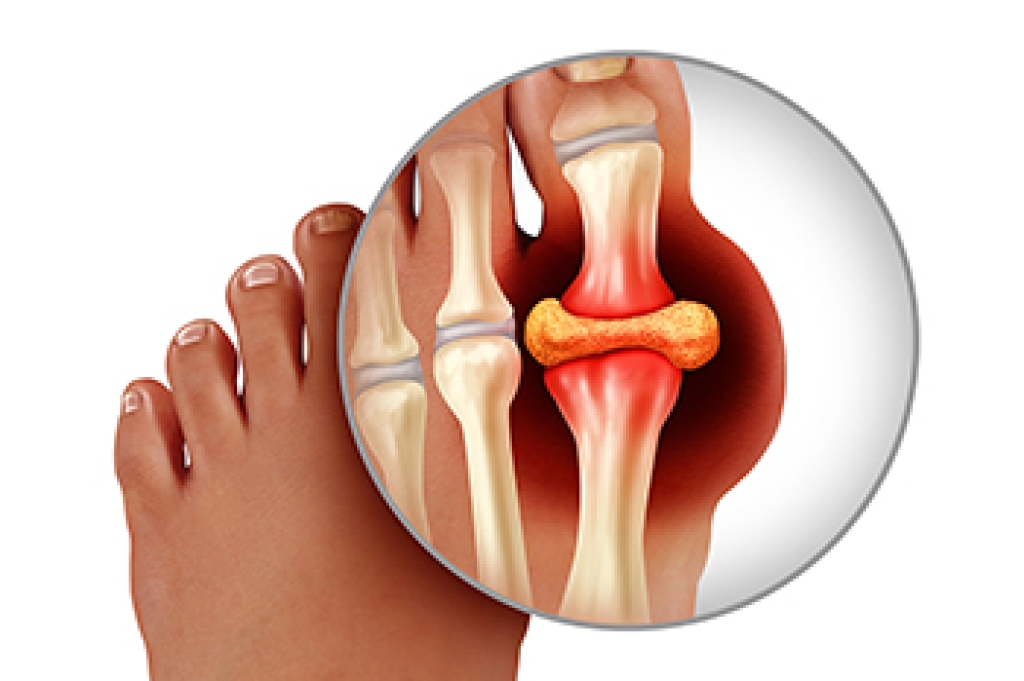
Gout is a form of inflammatory arthritis that develops when uric acid builds up in the bloodstream and forms sharp crystals in the joints. It most commonly affects the big toe, although other joints can also be involved. This condition often begins suddenly and can cause intense discomfort that disrupts daily life. Gout is known for its rapid onset and severe symptoms, which may occur without warning and require prompt attention to prevent long-term joint damage.

The symptoms of gout are often dramatic and easy to recognize. Many individuals experience sudden, severe attacks of pain that frequently begin at night. The affected joint, most often the big toe, may become swollen, tender, and warm to the touch. Even light pressure from bedding or footwear can feel unbearable. These episodes, sometimes referred to as flare-ups, can last for several days and may return if the underlying cause is not addressed. Stiffness and limited joint movement may also develop over time.


Gout occurs when excess uric acid accumulates in the body, leading to crystal formation in the joints. This buildup may result from dietary habits, reduced kidney function, or certain medical conditions. Risk factors include obesity, high blood pressure, and diabetes. A diet high in purine rich foods such as red meat and seafood is another factor. Alcohol consumption and dehydration can increase the likelihood of gout attacks. Genetics may play a role, as well, making some individuals more prone to developing this condition.


Managing gout involves reducing uric acid levels and preventing flare-ups through lifestyle changes and medical care. Maintaining a balanced diet, staying well hydrated, and avoiding trigger foods can help reduce symptoms. A podiatrist can evaluate joint pain, confirm a diagnosis, and recommend treatment options to protect joint health and improve mobility. If you have symptoms of gout, it is strongly suggested that you are under the care of a podiatrist who can help you manage this painful condition.

Gout is a foot condition that requires certain treatment and care. If you are seeking treatment, contact Dr. Steven Shlonsky from Louisville, Kentucky. Dr. Shlonsky will treat your foot and ankle needs.

What Is Gout?

Gout is a type of arthritis caused by a buildup of uric acid in the bloodstream. It often develops in the foot, especially the big toe area, although it can manifest in other parts of the body as well. Gout can make walking and standing very painful and is especially common in diabetics and the obese.

People typically get gout because of a poor diet. Genetic predisposition is also a factor. The children of parents who have had gout frequently have a chance of developing it themselves.

Gout can easily be identified by redness and inflammation of the big toe and the surrounding areas of the foot. Other symptoms include extreme fatigue, joint pain, and running high fevers. Sometimes corticosteroid drugs can be prescribed to treat gout, but the best way to combat this disease is to get more exercise and eat a better diet.

If you have any questions, please feel free to contact our office located in Louisville, KY . We offer the newest diagnostic and treatment technologies for all your foot care needs.
Read more about Gout

Recognizing Clubfoot Symptoms and the Importance of Early Diagnosis

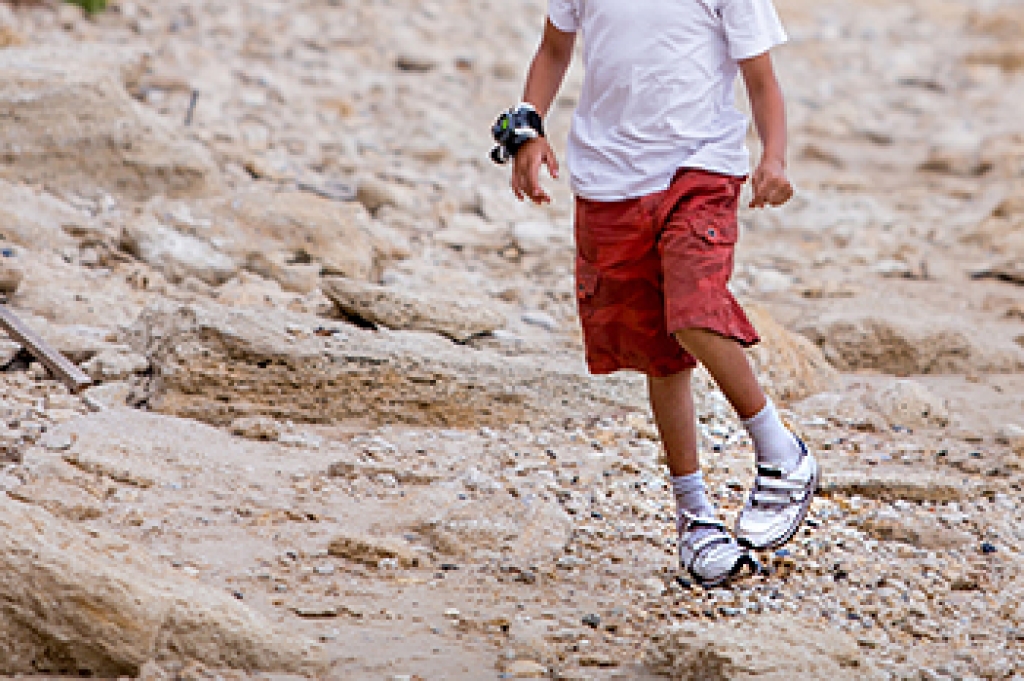
Clubfoot is a congenital foot condition that causes one or both feet to develop in an unusual position before birth. The foot typically points downward and turns inward, creating a noticeable difference in alignment. This condition affects the muscles, tendons, and bones of the foot and ankle. Although clubfoot may look concerning, early diagnosis and proper treatment can help many children achieve improved foot function and normal mobility.

Common symptoms of clubfoot include an inward-turning foot, a tight Achilles tendon, a smaller affected foot, and limited flexibility. The foot may appear stiff and difficult to move into a normal position. Without treatment, the child may develop an abnormal walking pattern as they grow. While clubfoot is not usually painful in babies, untreated cases can lead to long-term challenges with balance, footwear, and physical activity.


The causes of clubfoot are linked to abnormal development of the foot during pregnancy. Researchers believe genetic factors and changes in muscle or connective tissue development may contribute to the condition. Risk factors include having a family history of clubfoot and certain neuromuscular conditions. Clubfoot is one of the most common congenital foot conditions, but the exact reason it develops is not always clear.


Diagnosis begins with a detailed physical examination after birth. A podiatrist will assess the position and flexibility of the foot to determine the severity of the condition. Additional evaluations may be performed if needed to understand the structure of the foot. Early attention provides the best opportunity for improving alignment and preventing future complications. If your child has signs of clubfoot, it is suggested that you include a podiatrist on your health-are team to ensure healthy foot development. 

Congenital foot problems require immediate attention to avoid future complications. If you have any concerns, contact Dr. Steven Shlonsky of Louisville, Kentucky. Dr. Shlonsky can provide the care you need to keep you pain-free and on your feet.

Congenital foot problems are deformities affecting the feet, toes, and/or ankles that children are born with. Some of these conditions have a genetic cause while others just happen. Some specific foot ailments that children may be born with include clubfeet, polydactyly/macrodactyly, and cleft foot. There are several other foot anomalies that can occur congenitally. What all of these conditions have in common is that a child may experience difficulty walking or performing everyday activities, as well as trouble finding footwear that fits their foot deformity. Some of these conditions are more serious than others. Consulting with a podiatrist as early as possible will help in properly diagnosing a child’s foot condition while getting the necessary treatment underway.

What are Causes of Congenital Foot Problem?

A congenital foot problem is one that happens to a child at birth. These conditions can be caused by a genetic predisposition, developmental or positional abnormalities during gestation, or with no known cause.

What are Symptoms of Congenital Foot Problems?

Symptoms vary by the congenital condition. Symptoms may consist of the following:

  • Clubfoot, where tendons are shortened, bones are shaped differently, and the Achilles tendon is tight, causing the foot to point in and down. It is also possible for the soles of the feet to face each other.
  • Polydactyly, which usually consists of a nubbin or small lump of tissue without a bone, a toe that is partially formed but has no joints, or an extra toe.
  • Vertical talus, where the talus bone forms in the wrong position causing other bones in the foot to line up improperly, the front of the foot to point up, and the bottom of the foot to stiffen, with no arch, and to curve out.
  • Tarsal coalition, when there is an abnormal connection of two or more bones in the foot leading to severe, rigid flatfoot.
  • Cleft foot, where there are missing toes, a V-shaped cleft, and other anatomical differences.
  • Macrodactyly, when the toes are abnormally large due to overgrowth of the underlying bone or soft tissue.

Treatment and Prevention

While there is nothing one can do to prevent congenital foot problems, raising awareness and receiving neonatal screenings are important. Early detection by taking your child to a podiatrist leads to the best outcome possible.

If you have any questions, please feel free to contact our office located in Louisville, KY . We offer the newest diagnostic and treatment technologies for all your foot care needs.

Read more about Congenital Foot Problems

Cracked Heels Can Worsen Without Proper Foot Care

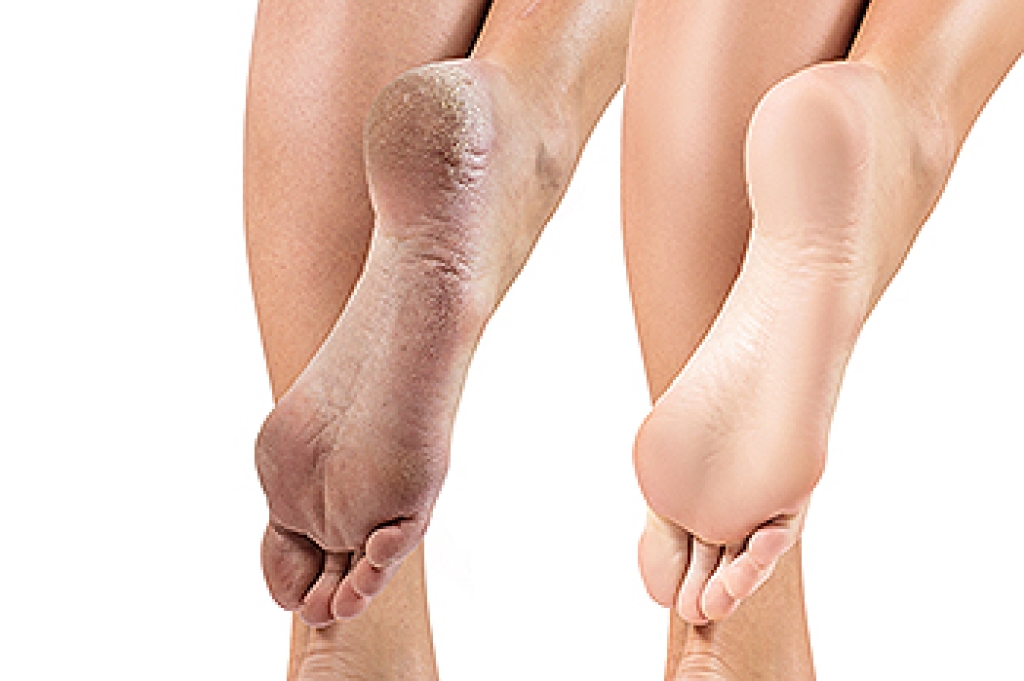
Cracked heels develop when dry, thick skin surrounding the heel loses flexibility and splits under pressure. The cracks can look like thin lines, but deeper openings can cause pain, bleeding, or tenderness while walking. Standing for long periods can place added stress on the heel. Shoes that fit poorly and open-back sandals can also let the heel spread outward. Age can raise the risk because skin becomes less flexible and produces less oil. Health problems like diabetes, psoriasis, and athlete’s foot can also contribute to cracked heels.

A podiatrist can examine the heels to determine how deep the cracks are and whether infection is present. The examination also looks for thick calluses, redness, and drainage. A podiatrist can check circulation and sensation in the feet, especially when a patient has diabetes or another condition that affects healing. Treatment includes the careful removal of hard, thickened skin with sterile instruments. This process reduces pressure near the cracks and helps the heel regain a smoother surface. The podiatrist can also apply protective dressings or recommend heel cups that support the heel’s padding. Deep cracks and termed fissures can require specialized wound care.

A podiatrist also addresses the forces that caused the skin to split. They can assess a patient’s gait, foot shape, and shoe fit. Custom orthotics can improve weight distribution when poor foot alignment places extra pressure on the heels. Advice about properly fitted, supportive shoes can help protect the skin and limit outward spreading of the heel. Regular podiatric evaluations are important for patients with poor circulation, reduced feeling, or a history of slow-healing wounds. Cracked heels should not be ignored when they bleed, become increasingly painful, or show redness and warmth. Early professional care can keep small splits from becoming deeper wounds and can lower the risk of infection. If you have painful cracked heels, it is suggested that you schedule an appointment with a podiatrist for effective treatment solutions, which may include prescribed medication. 

If the skin on your feet starts to crack, you may want to see a podiatrist to find treatment. If you have any concerns, contact Dr. Steven Shlonsky from Louisville, Kentucky. Dr. Shlonsky can provide the care you need to keep you pain-free and on your feet.

Cracked Heels

It is important to moisturize your cracked heels in order to prevent pain, bleeding, and infection. The reason cracked heels form is because the skin on the foot is too dry to support the immense pressure placed on them. When the foot expands, the dry skin on the foot begins to split.

Ways to Help Heal Them

  • Invest in a good foot cream
  • Try Using Petroleum Jelly
  • Ease up on Soaps
  • Drink Plenty of Water

Ways to Prevent Cracked Heels

  • Moisturize After Showering
  • Skip a Shower
  • Keep Shower Water Lukewarm
  • Don’t Scrub Your Feet

If you are unsure how to proceed in treating cracked heels, seek guidance from a podiatrist. Your doctor will help you with any questions or information you may need. 

If you have any questions, please feel free to contact our office located in Louisville, KY . We offer the newest diagnostic and treatment technologies for all your foot care needs.
Read more about Solutions for Cracked Heels

Plantar Warts Can Be Treated!

Plantar warts are small growths that develop on parts of the feet that bear weight. They're typically found on the bottom of the foot. Don't live with plantar warts, and call us today!

When Foot Pain Signals a Bigger Problem

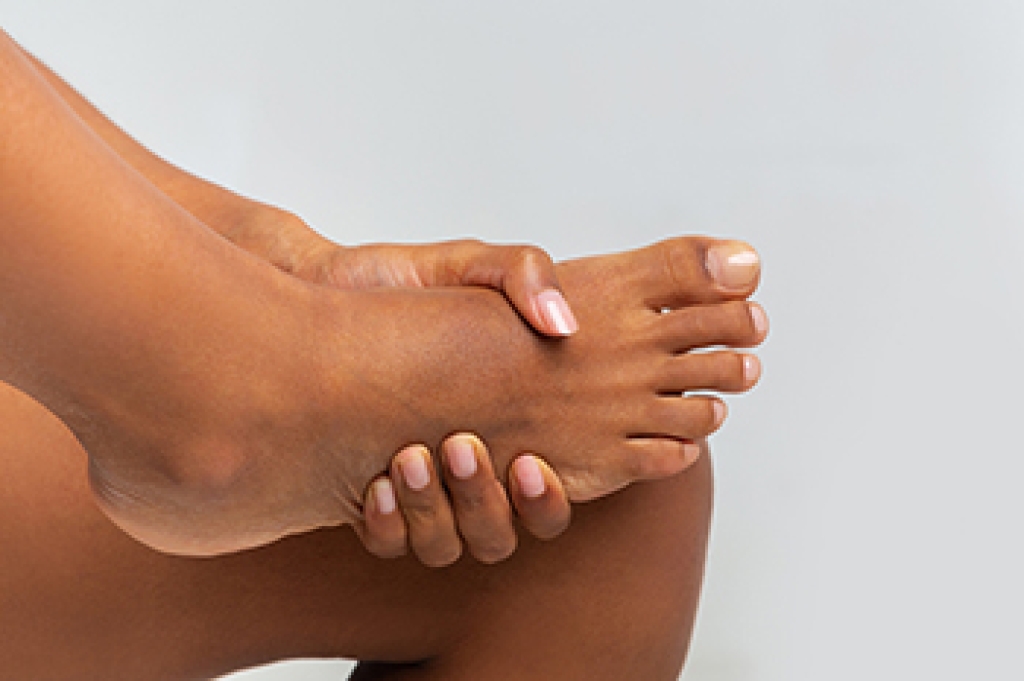
Foot pain can affect people of all ages and make everyday activities more difficult. Because the feet support the body's weight and absorb impact with every step, discomfort can interfere with walking, working, and exercise. Foot pain may develop suddenly after an injury or gradually. Common causes include arthritis, nerve problems, and overuse injuries. Some people experience aching, burning, or sharp pain. Others notice swelling, stiffness, or tenderness that limits normal movement. The location of the pain may vary depending on the underlying condition, making a professional evaluation important for identifying the cause and recommending the most appropriate treatment.


The feet contain many bones, joints, and muscles that work together to provide stability and movement. When one structure is injured or not functioning properly, it can affect the way the entire foot moves. Ongoing foot pain may cause a person to change the way they walk, placing additional stress on the ankles, knees, and hips. This altered movement may also contribute to discomfort in the lower back. A thorough examination helps determine whether symptoms are related to inflammation, joint dysfunction, or another underlying condition. Early diagnosis allows treatment to begin before the problem worsens and affects long-term mobility.


A podiatrist is specially trained to diagnose and treat conditions that affect the feet and ankles. During an evaluation, the podiatrist examines foot structure, walking patterns, and joint function to identify the source of the pain. Treatment is personalized and focuses on improving mobility, relieving discomfort, and restoring healthy foot function. Early podiatry care may also help prevent additional strain on nearby joints and reduce the risk of future complications. If foot pain is limiting your daily activities or making it uncomfortable to walk, it is suggested that you consult a podiatrist for an evaluation and appropriate treatment options.

Foot Pain

Foot pain can be extremely painful and debilitating. If you have a foot pain, consult with Dr. Steven Shlonsky from Louisville, Kentucky. Dr. Shlonsky will assess your condition and provide you with quality foot and ankle treatment.

Causes

Foot pain is a very broad condition that could be caused by one or more ailments. The most common include:

  • Bunions
  • Hammertoes
  • Plantar Fasciitis
  • Bone Spurs
  • Corns
  • Tarsal Tunnel Syndrome
  • Ingrown Toenails
  • Arthritis (such as Gout, Rheumatoid, and Osteoarthritis)
  • Flat Feet
  • Injury (from stress fractures, broken toe, foot, ankle, Achilles tendon ruptures, and sprains)
  • And more

Diagnosis

To figure out the cause of foot pain, podiatrists utilize several different methods. This can range from simple visual inspections and sensation tests to X-rays and MRI scans. Prior medical history, family medical history, and any recent physical traumatic events will all be taken into consideration for a proper diagnosis.

Treatment

Treatment depends upon the cause of the foot pain. Whether it is resting, staying off the foot, or having surgery; podiatrists have a number of treatment options available for foot pain.

If you have any questions, please feel free to contact our office located in Louisville, KY . We offer the newest diagnostic and treatment technologies for all your foot care needs.

Read more about Foot Pain