
149 Thierman Ln
Louisville, KY 40207
(502) 897-6343 We make house calls
Like Us
Follow Us
Review Us

Blog

Choosing the Right Running Shoes for Beginners

Starting to run is easier when shoes fit well and match your needs. A beginner does not need the most expensive pair, but comfort and proper support are important. Running shoes should feel secure around the heel without rubbing or slipping. The toe box should provide enough space for the toes to spread without pressing against the front. Since feet can swell while running, a thumb’s width of space beyond the longest toe is helpful. Shop for shoes later in the day, when the feet are slightly larger. Try on both shoes with the type of socks you plan to use for running.

Running shoes are made with different levels of cushioning, flexibility, and support. The right features depend on your foot shape and how your feet move. Some runners have arches that flatten too much with each step, while others have high arches that absorb less shock. Consider the surfaces where you plan to run. Road-running shoes are designed for pavement and other smooth surfaces. Trail-running shoes provide added grip for dirt paths, rocks, and uneven ground. Replace shoes when the soles become worn, cushioning feels flat, or new pain develops.

A podiatrist can examine your feet and evaluate how you stand, walk, and run. This assessment can identify flat feet, high arches, or unusual foot movement that may raise the risk of injury. Custom orthotics may also be prescribed to improve support and control harmful movement inside the shoe. New runners should increase their distance gradually and pay attention to persistent discomfort. Pain in the heel, arch, or ankle can indicate that the shoes do not fit correctly. It can also signal an injury that needs professional care. If your feet hurt after running, it is suggested that you consult a podiatrist who can offer effective treatment solutions and additional guidance on how to choose running shoes that are right for you.

For more information about walking shoes versus running shoes, consult with Dr. Steven Shlonsky from Louisville, Kentucky. Dr. Shlonsky can measure your feet to determine what your needs are and help you find an appropriate pair of footwear.

Foot Health: The Differences between Walking & Running Shoes

There are great ways to stay in shape: running and walking are two great exercises to a healthy lifestyle. It is important to know that running shoes and walking shoes are not interchangeable. There is a key difference on how the feet hit the ground when someone is running or walking. This is why one should be aware that a shoe is designed differently for each activity.

You may be asking yourself what the real differences are between walking and running shoes and the answers may shock you.

Differences

Walking doesn’t involve as much stress or impact on the feet as running does. However, this doesn’t mean that you should be any less prepared. When you’re walking, you land on your heels and have your foot roll forward. This rolling motion requires additional support to the feet.

Flexibility – Walking shoes are designed to have soft, flexible soles. This allows the walker to push off easily with each step.

If you have any questions, please feel free to contact our office located in Louisville, KY . We offer the newest diagnostic and treatment technologies for all your foot care needs.

Read more about Walking Shoes vs. Running Shoes

Types of Foot Deformities

Foot deformities change the shape or alignment of the feet and can affect comfort, balance, and movement. Some people are born with them, while others develop them because of injuries, diseases, or wearing tight shoes. Genetics also plays an important role. Many feet have small differences that never cause symptoms. Others, however, become painful and make standing, walking, or fitting into shoes much harder. When foot bones, joints, and supporting tissues lose their normal position, pressure changes across the foot. This can lead to calluses, toe changes, and ongoing discomfort.

Several types of foot deformities affect daily life in different ways. Flat feet allow more of the sole to touch the ground, while high-arched feet place extra pressure on the ball of the foot. Splayfoot widens the front of the foot and increases stress across the forefoot. Bunions and hammertoes can also develop as the foot changes shape. Adults are more likely to notice pain, swelling, and difficulty walking when a deformity becomes more severe. Changes in foot alignment can also place extra stress on the knees, hips, and lower back. Some children appear to have flat or inward-leaning feet while they are growing, yet their feet reach a normal position as they mature. 

A podiatrist carefully examines the feet to identify the type of deformity and determine how it affects movement. X-rays or other imaging tests help show changes in the bones and joints. Treatment includes custom orthotics that improve foot support, padding that reduces pressure, and recommendations for shoes that provide proper support. A podiatrist also monitors changes in the feet and explains whether surgery is the best choice for deformities that limit walking or cause lasting pain. Early evaluation helps protect foot function and improve comfort. If you have a painful or problematic foot deformity, it is suggested that you schedule an appointment with a podiatrist for a diagnosis and appropriate treatment.

Foot Pain

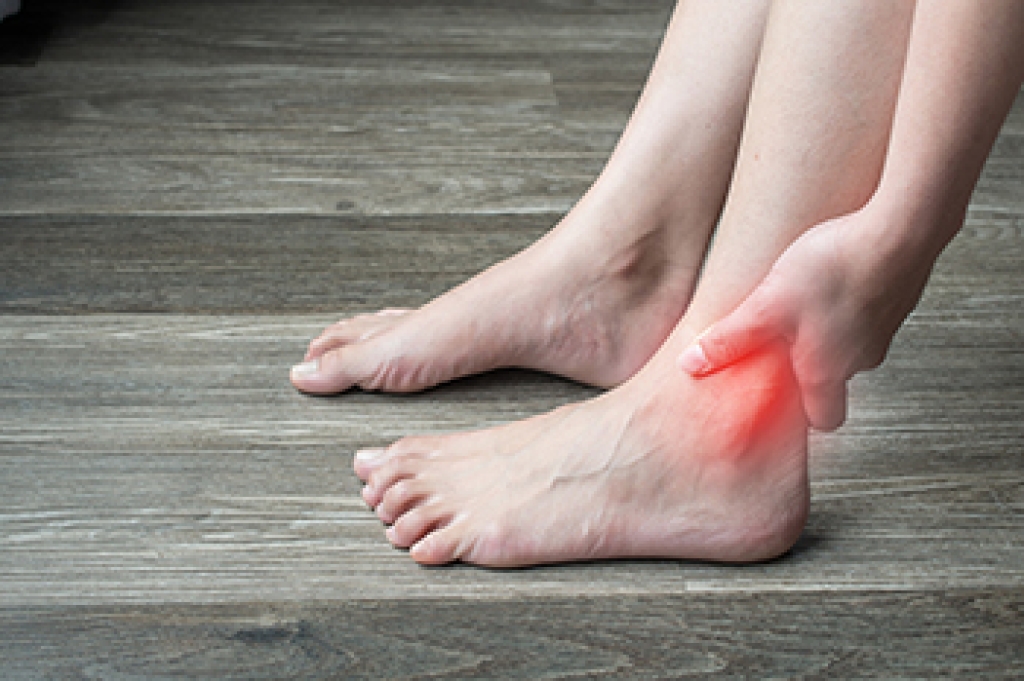
Foot pain can be extremely painful and debilitating. If you have a foot pain, consult with Dr. Steven Shlonsky from Louisville, Kentucky. Dr. Shlonsky will assess your condition and provide you with quality foot and ankle treatment.

Causes

Foot pain is a very broad condition that could be caused by one or more ailments. The most common include:

  • Bunions
  • Hammertoes
  • Plantar Fasciitis
  • Bone Spurs
  • Corns
  • Tarsal Tunnel Syndrome
  • Ingrown Toenails
  • Arthritis (such as Gout, Rheumatoid, and Osteoarthritis)
  • Flat Feet
  • Injury (from stress fractures, broken toe, foot, ankle, Achilles tendon ruptures, and sprains)
  • And more

Diagnosis

To figure out the cause of foot pain, podiatrists utilize several different methods. This can range from simple visual inspections and sensation tests to X-rays and MRI scans. Prior medical history, family medical history, and any recent physical traumatic events will all be taken into consideration for a proper diagnosis.

Treatment

Treatment depends upon the cause of the foot pain. Whether it is resting, staying off the foot, or having surgery; podiatrists have a number of treatment options available for foot pain.

If you have any questions, please feel free to contact our office located in Louisville, KY . We offer the newest diagnostic and treatment technologies for all your foot care needs.
Read more about Foot Pain

Athlete’s Foot Symptoms and Why Treatment Matters

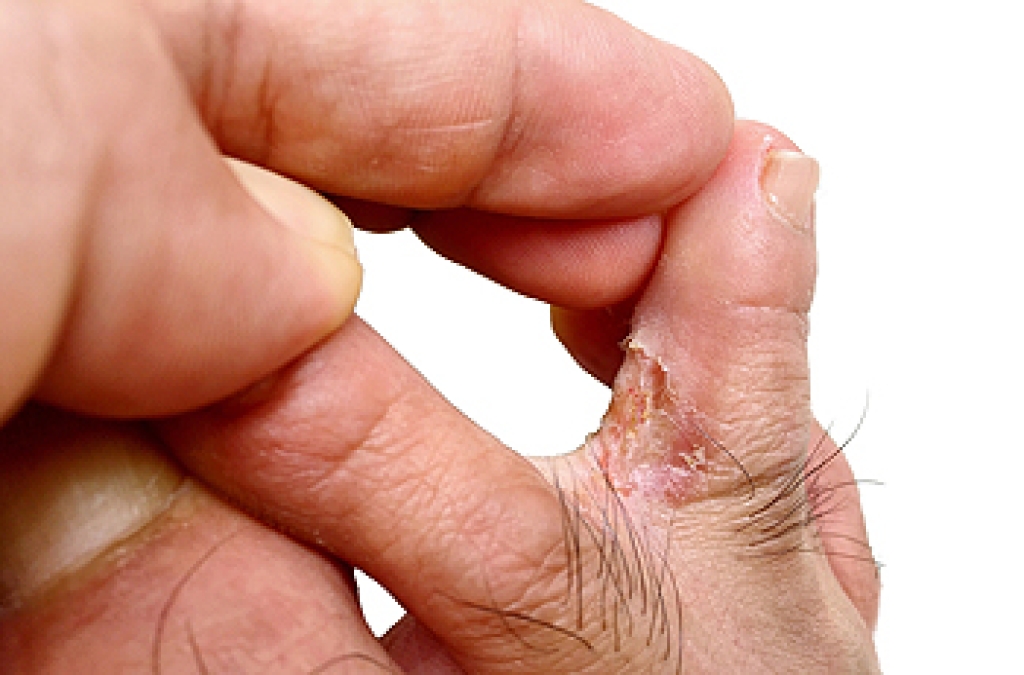
Athlete’s foot is a fungal infection that affects the skin of the feet. It is caused by fungi called dermatophytes, which thrive in warm, damp environments. The infection can develop between the toes, along the soles, or on other areas of the foot. Common symptoms include itching, burning, and cracked skin. Some people may also develop small blisters or soreness. Although athlete’s foot is usually manageable, untreated infections can spread to the toenails or other areas of the body.

There are several ways a person may develop athlete’s foot. Walking barefoot in damp public areas can increase exposure to fungi. Wearing sweaty shoes and socks for long periods creates an environment where fungal organisms thrive. Sharing footwear, socks, or towels with someone who has a fungal infection can also increase the risk. Athletes may be particularly vulnerable because sports often involve sweating, shared facilities, and prolonged periods in enclosed shoes. Other risk factors include excessive foot sweating, minor skin damage, and keeping the feet damp after bathing or exercise.


A podiatrist can diagnose athlete’s foot by examining the affected skin and reviewing symptoms. In some cases, a small skin sample may be tested to confirm a fungal infection when the diagnosis is uncertain. The podiatrist may recommend an appropriate antifungal medication and provide guidance about footwear and foot hygiene. If the skin is cracked or severely irritated, additional care may be needed to reduce the risk of bacterial infection. Persistent infections may require further evaluation.


Preventing athlete’s foot involves keeping the feet clean and dry and changing damp socks or shoes promptly. Patients should also avoid sharing personal items that contact the feet and should use appropriate footwear in communal wet areas. Seeking treatment early can reduce discomfort and help prevent the infection from spreading. If you have symptoms of athlete’s foot, it is suggested that you consult a podiatrist for effective relief and treatment solutions, which may include prescribed medication. 

Athlete’s Foot

Athlete’s foot is often an uncomfortable condition to experience. Thankfully, podiatrists specialize in treating athlete’s foot and offer the best treatment options. If you have any questions about athlete’s foot, consult with Dr. Steven Shlonsky from Louisville, Kentucky. Dr. Shlonsky will assess your condition and provide you with quality treatment.

What Is Athlete’s Foot?

Tinea pedis, more commonly known as athlete’s foot, is a non-serious and common fungal infection of the foot. Athlete’s foot is contagious and can be contracted by touching someone who has it or infected surfaces. The most common places contaminated by it are public showers, locker rooms, and swimming pools. Once contracted, it grows on feet that are left inside moist, dark, and warm shoes and socks.

Prevention

The most effective ways to prevent athlete’s foot include:

  • Thoroughly washing and drying feet
  • Avoid going barefoot in locker rooms and public showers
  • Using shower shoes in public showers
  • Wearing socks that allow the feet to breathe
  • Changing socks and shoes frequently if you sweat a lot

Symptoms

Athlete’s foot initially occurs as a rash between the toes. However, if left undiagnosed, it can spread to the sides and bottom of the feet, toenails, and if touched by hand, the hands themselves. Symptoms include:

  • Redness
  • Burning
  • Itching
  • Scaly and peeling skin

Diagnosis and Treatment

Diagnosis is quick and easy. Skin samples will be taken and either viewed under a microscope or sent to a lab for testing. Sometimes, a podiatrist can diagnose it based on simply looking at it. Once confirmed, treatment options include oral and topical antifungal medications.

If you have any questions, please feel free to contact our office located in Louisville, KY . We offer the newest diagnostic and treatment technologies for all your foot care needs.

Read more about Athlete’s Foot

Podiatric Care for Ankle Pain and Injuries

Ankle pain can interfere with walking, exercise, and everyday activities that require movement. The ankle connects the leg to the foot and allows the foot to move up, down, and from side-to-side. Pain can develop suddenly after an injury or result from a condition. An ankle sprain is one possible cause. Arthritis and tendon irritation can also cause discomfort. Other causes include fractures, nerve compression, and poor alignment of the foot or leg. The cause can affect how long symptoms last and how severe they become.

Ankle pain can occur alone or appear with swelling, stiffness, and redness. Warmth surrounding the joint can also develop. These signs can help identify what is affecting the ankle. Sports that involve jumping or quick changes in direction can increase the chance of an ankle injury. Basketball and volleyball are examples. Wearing  shoes that lack proper support can also place added stress on the feet and ankles. Ankle instability can develop after a previous injury and make the joint feel weak or unreliable when standing or walking.

A podiatrist can examine the ankle, review how the injury occurred, and assess the way the foot moves. This evaluation can help identify whether pain comes from a sprain, arthritis, or another problem. Treatment can include a brace, splint, or orthotic insert depending on the cause and severity. Orthotic inserts are devices placed inside shoes to improve support and alignment. More serious ankle problems can require surgery. A podiatrist can also guide a patient toward safe movement as the ankle recovers. Proper diagnosis is important because different causes of ankle pain determine the approach to care. If you have ankle pain, it is suggested that you schedule an appointment with a podiatrist for a diagnosis and appropriate treatment.

Ankle pain can be caused by a number of problems and may be potentially serious. If you have ankle pain, consult with Dr. Steven Shlonsky from Louisville, Kentucky. Dr. Shlonsky will assess your condition and provide you with quality foot and ankle treatment.

Ankle pain is any condition that causes pain in the ankle. Due to the fact that the ankle consists of tendons, muscles, bones, and ligaments, ankle pain can come from a number of different conditions.

Causes

The most common causes of ankle pain include:

  • Types of arthritis (rheumatoid, osteoarthritis, and gout)
  • Ankle sprains
  • Broken ankles
  • Achilles tendonitis
  • Achilles tendon rupture
  • Stress fractures
  • Bursitis
  • Tarsal tunnel syndrome
  • Plantar fasciitis

Symptoms

Symptoms of ankle injury vary based upon the condition. Pain may include general pain and discomfort, swelling, aching, redness, bruising, burning or stabbing sensations, and/or loss of sensation.

Diagnosis

Due to the wide variety of potential causes of ankle pain, podiatrists will utilize a number of different methods to properly diagnose ankle pain. This can include asking for personal and family medical histories and of any recent injuries. Further diagnosis may include sensation tests, a physical examination, and potentially x-rays or other imaging tests.

Treatment

Just as the range of causes varies widely, so do treatments. Some more common treatments are rest, ice packs, keeping pressure off the foot, orthotics and braces, medication for inflammation and pain, and surgery.

If you have any questions please feel free to contact our office located in Louisville, KY . We offer the newest diagnostic tools and technology to treat your foot and ankle needs.

Read more about Ankle Pain

Reminder: When Was the Last Time...?

Custom orthotics, or shoe inserts, should be periodically replaced. Orthotics must fit properly to give you the best results. Protect your feet and ankles!

Blog Archives