149 Thierman Ln
Louisville, KY 40207
(502) 897-6343 We make house calls
Like Us
Follow Us
Review Us

Blog

Turf Toe and Protecting Your Big Toe Joint

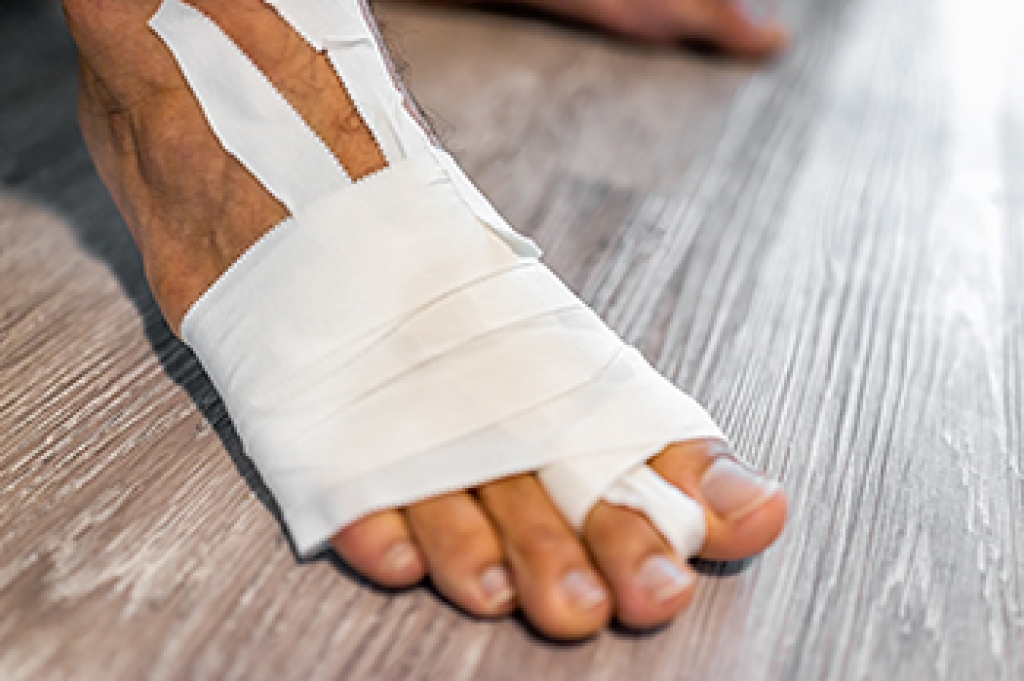
Turf toe is a painful injury involving the big toe joint, caused by hyperextension that can lead to soft tissue tearing. It often occurs when the shoe grips the playing surface while body weight shifts forward, such as when a soccer player attempts a quick stop or push-off. It is also prevalent in ballet dancers and football players, as the big toe may experience hyperextension. Symptoms include swelling, tenderness, and joint instability that can affect performance. Risk factors include stiff playing surfaces, improper footwear, and repetitive high-impact movement. A podiatrist can evaluate the injury, provide targeted treatment, and guide recovery. If you have symptoms of turf toe, it is suggested that you consult a podiatrist who can offer effective relief, treatment and prevention solutions.

Ankle and foot injuries are common among athletes and in many sports. They can be caused by several problems and may be potentially serious. If you are feeling pain or think you were injured in a sporting event or when exercising, consult with Dr. Steven Shlonsky from Louisville, Kentucky. Dr. Shlonsky will assess your condition and provide you with quality foot and ankle treatment.

Common Injuries

The most common injuries that occur in sporting activities include:

  • Achilles Tendonitis
  • Achilles Tendon Rupture
  • Ankle Sprains
  • Broken Foot
  • Plantar Fasciitis
  • Stress Fractures
  • Turf Toe

Symptoms

Symptoms vary depending upon the injury and in some cases, there may be no symptoms at all. However, in most cases, some form of symptom is experienced. Pain, aching, burning, bruising, tenderness, tightness or stiffness, sensation loss, difficulty moving, and swelling are the most common symptoms.

Treatment

Just as symptoms vary depending upon the injury, so do treatment options. A common treatment method is known as the RICE method. This method involves rest, applying ice, compression and elevating the afflicted foot or ankle. If the injury appears to be more serious, surgery might be required, such as arthroscopic or reconstructive surgery. Lastly, rehabilitation or therapy might be needed to gain full functionality in the afflicted area. Any discomfort experienced by an athlete must be evaluated by a licensed, reputable medical professional.  

If you have any questions please contact our office located in Louisville, KY . We offer the newest diagnostic and treatment technologies for all your foot and ankle needs.


Read more about Sports Related Foot and Ankle Injuries

When a Curled Toenail Grows Into the Skin

An ingrown toenail develops when the edge of a toenail presses into the surrounding skin instead of growing straight outward. This most often affects the big toe and can quickly become painful. Early signs include redness, swelling, and tenderness along one side of the nail. As the nail continues to push into the skin, the area may become warm and irritated. In some cases, infection develops, leading to drainage or increased swelling. Ingrown toenails can be caused by trimming the nail too short, cutting the corners of the nail, tight shoes that place pressure on the toes, or injury to the nail. Some people also have naturally curved nails that increase the risk. A podiatrist can examine the toe and determine the best way to relieve the pressure. Treatment includes careful nail trimming, protective care, or a small procedure that removes part of the nail to prevent it from growing inward again. If you have an ingrown toenail, it is suggested that you make an appointment with a podiatrist.

Ingrown toenails may initially present themselves as a minor discomfort, but they may progress into an infection in the skin without proper treatment. For more information about ingrown toenails, contact Dr. Steven Shlonsky of Louisville, Kentucky. Dr. Shlonsky can provide the care you need to keep you pain-free and on your feet.

Ingrown Toenails

Ingrown toenails are caused when the corner or side of a toenail grows into the soft flesh surrounding it. They often result in redness, swelling, pain, and in some cases, infection. This condition typically affects the big toe and may recur if it is not treated properly.

Causes

  • Improper toenail trimming
  • Genetics
  • Improper shoe fitting
  • Injury from pedicures or nail picking
  • Abnormal gait
  • Poor hygiene

You are more likely to develop an ingrown toenail if you are obese, have diabetes, arthritis, or have any fungal infection in your nails. Additionally, people who have foot or toe deformities are at a higher risk of developing an ingrown toenail.

Symptoms

Some symptoms of ingrown toenails are redness, swelling, and pain. In rare cases, there may be a yellowish drainage coming from the nail.

Treatment

Ignoring an ingrown toenail can have serious complications. Infections of the nail border can progress to a deeper soft-tissue infection, which can then turn into a bone infection. You should always speak with your podiatrist if you suspect you have an ingrown toenail, especially if you have diabetes or poor circulation.

If you have any questions, please feel free to contact our office located in Louisville, KY . We offer the newest diagnostic and treatment technologies for all your foot care needs.

Read more about Ingrown Toenail Care

Preventing Falls in Seniors

Preventing falls in older adults is essential for maintaining independence and overall well-being. Many factors can increase fall risk, including balance and strength changes, vision or hearing loss, and chronic conditions. Medication side effects and foot problems are other factors. Weak muscles and reduced coordination may make walking less stable, while poor vision or hearing can affect awareness of surroundings. Painful foot conditions, improper footwear, and poor foot alignment may also increase the likelihood of losing balance. Risk of falling can increase when several of these concerns occur together. A podiatrist can evaluate foot structure, treat painful conditions, and recommend supportive footwear or custom orthotic devices to improve stability and comfort. If you or a loved one have fallen and are concerned about fall risk, it is suggested that you consult a podiatrist who can treat various foot conditions, and guide you on additional fall prevention techniques.

Preventing falls among the elderly is very important. If you are older and have fallen or fear that you are prone to falling, consult with Dr. Steven Shlonsky from Louisville, Kentucky. Dr. Shlonsky will assess your condition and provide you with quality advice and care.

Every 11 seconds, an elderly American is being treated in an emergency room for a fall related injury. Falls are the leading cause of head and hip injuries for those 65 and older. Due to decreases in strength, balance, senses, and lack of awareness, elderly persons are very susceptible to falling. Thankfully, there are a number of things older persons can do to prevent falls.

How to Prevent Falls

Some effective methods that older persons can do to prevent falls include:

  • Enrolling in strength and balance exercise program to increase balance and strength
  • Periodically having your sight and hearing checked
  • Discuss any medications you have with a doctor to see if it increases the risk of falling
  • Clearing the house of falling hazards and installing devices like grab bars and railings
  • Utilizing a walker or cane
  • Wearing shoes that provide good support and cushioning
  • Talking to family members about falling and increasing awareness

Falling can be a traumatic and embarrassing experience for elderly persons; this can make them less willing to leave the house, and less willing to talk to someone about their fears of falling. Doing such things, however, will increase the likelihood of tripping or losing one’s balance. Knowing the causes of falling and how to prevent them is the best way to mitigate the risk of serious injury.  

If you have any questions, please feel free to contact our office located in Louisville, KY . We offer the newest diagnostic and treatment technologies for all your foot care needs.

Read more about Falls Prevention

Facts About Rheumatoid Arthritis

Rheumatoid arthritis is a chronic autoimmune disease that causes the immune system to attack healthy joint tissue, leading to inflammation and damage. In the feet, it commonly affects the toes and midfoot, causing pain, swelling, warmth, and persistent stiffness that is often worse in the morning. As the condition progresses, joint deformities and difficulty walking may develop. The exact cause is unknown, but genetic factors, immune dysfunction, smoking, and hormonal influences increase risk. A podiatrist can help by providing early diagnosis, custom orthotics, footwear guidance, and treatment to reduce inflammation and preserve mobility. If you have ongoing foot pain or stiffness, it is suggested that you consult a podiatrist who can offer effective relief and management solutions.

Because RA affects more than just your joints, including the joints in your feet and ankles, it is important to seek early diagnosis from your podiatrist if you feel like the pain in your feet might be caused by RA. For more information, contact Dr. Steven Shlonsky of Louisville, Kentucky. Dr. Shlonsky will assist you with all of your podiatric concerns.

What Is Rheumatoid Arthritis?

Rheumatoid Arthritis (RA) is an autoimmune disorder in which the body’s own immune system attacks the membranes surrounding the joints. Inflammation of the lining and eventually the destruction of the joint’s cartilage and bone occur, causing severe pain and immobility.

Rheumatoid Arthritis of the Feet

Although RA usually attacks multiple bones and joints throughout the entire body, almost 90 percent of cases result in pain in the foot or ankle area.

Symptoms

  • Swelling and pain in the feet
  • Stiffness in the feet
  • Pain on the ball or sole of feet
  • Joint shift and deformation

Diagnosis

Quick diagnosis of RA in the feet is important so that the podiatrist can treat the area effectively. Your doctor will ask you about your medical history, occupation, and lifestyle to determine the origin of the condition. Rheumatoid Factor tests help to determine if someone is affected by the disease.

If you have any questions, please feel free to contact our office located in Louisville, KY . We offer the newest diagnostic and treatment technologies for all your foot care needs.

Read more about Rheumatoid Arthritis in the Feet

Why Live with Pain and Numbness in Your Feet?

Suffering from this type of pain? You may have the foot condition known as Morton's neuroma. Morton's neuroma may develop as a result of ill-fitting footwear and existing foot deformities. We can help.